





















Para przyszłych rodziców

Realize your dream of having a baby! Choose Gyncentrum
and become a Parent orange heart First infertility visit

orange sketchy heart First infertility visit
Why should you trust us?

We are proud of our successes!

  • The success rate of our clinic reaches up to 80% on the first attempt, in selected city programs.
  • We have more than 20 years of experience and thousands of babies have been born thanks to our efforts and expertise !
  • We do not give up so easily! With us you will receive a guarantee of success!
  • We have the largest bank of reproductive cells in this part of Europe!


Make an appointment
orange sketchy heart empty First infertility visit orange sketchy crocked heart First infertility visit
One of the most sucesfull IVF clinic in Poland First infertility visit

Our Clinic shows up to 80% success rate on the first attempt, in selected city programs.

For the 2+1 program, the efficiency of our Clinic is 95%.

We don’t give up that easily! At Gyncentrum, you either get pregnant or we guarantee a 100% refund.

first visit banner en First infertility visit
orange sketchy heart First infertility visit
Are you unsuccessfully trying to have a child?

Don’t wait for diagnostics!

Gyncentrum clinics, are first and foremost specialized diagnostic centers that help each couple with getting pregnant. The complexity of diagnostics and years of experience, combined with the above-average efficiency of our clinic, are an opportunity for each couple who is trying unsuccessfully to have a child.

The most important thing is not to postpone the first visit. Remember, the sooner we diagnose where the cause of infertility lies, your chance of success to become a Parent will increase significantly!

We invite you to a first consultation!

Become a Parent
Choose Wisely | Choose Gyncentrum

When to turn to a specialist for help?

8 2.pdf First infertility visit
Time is of the essence

It’s not worth the wait, but it’s generally accepted that when you’ve been trying unsuccessfully for 6 months or more to have a baby.

8 2.pdf 2 First infertility visit
Presence of diseases

When you are affected by or suspect conditions such as endometriosis, PCOS, thyroid disease, adrenal disease.

8 2.pdf 6 First infertility visit
Previous failures

It is worth consulting a specialist if you have a history of miscarriages.

8 2.pdf 5 First infertility visit
Prevention is better than cure

Visit us to consult about your health before you start trying for a baby.

Meet our specialists!

We offer comprehensive care at every stage of treatment!

Our specialists are not only outstanding experts with vast knowledge and experience, but also sensitive to the patient’s feelings, with a warm disposition and an individual approach to each patient.

As Gyncentrum, we are pleased to be able to provide comprehensive care to our patients .We are able to carry out all the tests we perform in one place, and the availability of facilities throughout Poland allows patients to choose the clinic located closest to their home.

Thanks to the fact that we have one of the largest cell banks in Eastern Europe, we are also able to help patients interested in getting pregnant with donor cells.

See for yourself!


Make an appointment

Do you want to become a parent?

Don’t wait, schedule a first consultation
and start your diagnosis now!

Stojąca para kobiety i mężczyzny. Kobieta lekko podpiera głowę, na jej sylwetce narysowany kontur sugerujący, że jest w ciąży.
Trust the best!

Learn the stories of our couples,
And see why, you should choose our clinic!

Book an appointment online or

Visit us at our clinic

orange sketchy heart First infertility visit
Gyncentrum Krakow

10 Mehoffera Street

Frequently asked questions

FAQ

How does the first visit go? dropdown arrow First infertility visit

Let’s start by contacting our helpline, where you will be assigned a Patient Caregiver. This is a dedicated person who will coordinate your entire diagnostic and treatment process. Your Patient Caregiver will help schedule your first consultation with the doctor, remind you of the necessary tests, and support you during the next steps leading to your desired pregnancy.

For your first infertility appointment, we recommend that you come together, since the problem affects both partners. The meeting will start with a conversation about your health and lifestyle. An ultrasound will also be performed on you.

Based on the information gathered, the doctor will assess your health, present diagnostic options and discuss available treatment methods. If additional tests are needed, they will be ordered. Diagnostics are tailored to your individual needs, but it is advisable to bring with you previous tests and any history of previous treatment.

Once the necessary information is obtained, the doctor will present a preliminary treatment plan tailored to your individual needs. We realize that the first visit can be emotionally difficult, so it is a good idea to ask questions, and inquire about all the information of the chosen doctor.

Should I come with my partner to the first appointment? dropdown arrow First infertility visit

Yes. This is because the problem of infertility affects both partners. That is why it is so important that at the first visit the doctor has the opportunity to talk to each of you. In addition to the diagnostic aspect, the whole spectrum of psychological issues related to infertility is important. Unsuccessful efforts to have a child are associated with a lot of stress and a sense of unfulfillment. Therefore, it is important to support your partner, even during this first visit. Medical recommendations heard directly from the doctor will be taken more seriously by the man. They will also allow him to better understand the problem and engage properly in solving it.

Should we do and what tests before our first visit to an infertility treatment specialist? dropdown arrow First infertility visit

There is no one-size-fits-all set of tests that should be performed before your first visit, as it all depends on the individual health status of our patients.
Our clinics offer all the necessary tests, so you don’t have to worry about them before your visit. Instead, it’s a good idea to bring with you your past medical history, history of surgeries you’ve undergone, and any necessary medical documents that could help in assessing your condition.

What lies ahead after the first infertility appointment? dropdown arrow First infertility visit

Further steps will already depend on your medical history and the results of the tests performed, both those you brought to the appointment and those ordered by our specialist. On the basis of these, the doctor will decide on the ways of further treatment. He may suggest measures to help you conceive naturally, such as diet and lifestyle changes or hormonal treatment, or come up with a proposal to use assisted reproduction methods. It is worth remembering that the diagnosis and treatment of infertility never ends with a single visit to the clinic. It is a multi-stage process, often requiring consultation with several specialists: gynecologist, endocrinologist, urologist, psychologist or sexologist.

close cross First infertility visit

Schedule a consultation with our specialist!

    Thank you for filling out the form

    We will contact you shortly to schedule a convenient appointment.

    Insemination Wrocław

    orange cross Insemination Wrocław
    orange sketchy heart empty 2 Insemination Wrocław orange sketchy heart Insemination Wrocław
    inseminacja2
    INSEMINATION IN WROCLAW

    Where to perform the insemination procedure in Wroclaw?

    You will have the insemination procedure performed at the Gyncentrum Clinic in Wroclaw, 1 Orląt Lwowskich St. To perform an intrauterine insemination at Gyncentrum Wroclaw, you need to schedule an appointment in advance. This can be done in person or by contacting the Gyncentrum Hotline.

    Arrange a survey
    ikona lokalizacja 3 Insemination Wrocław
    Insemination Wrocław

    Gyncentrum Clinic Wrocław
    1 Orląt Lwowskich St.

    More >>

    INSEMINATION WROCLAW

    Insemination – the simplest and least burdensome method of assisted reproduction.

    Arrange a survey

    Insemination involves direct injection into the uterine cavity of specially prepared semen taken from a partner or anonymous donor. Semen is administered through a thin catheter, which allows it to bypass the barrier of cervical mucus and the antibodies, bacteria and fungi in it. Insemination is performed during natural ovulation or hormonally stimulated ovulation.

    AtGyncentrum Wrocław Clinic, we perform intrauterine insemination with semen from a partner or anonymous donor, along with beta hCG determination 14 days after the procedure. In addition, we use the innovative Fertile Chip sperm selection method, which allows us to select the sperm with the highest potential for fertilization.

    Want to learn more about the insemination procedure in Wroclaw? Read on or contact the Gyncenter Hotline.
    32 506 57 77
    INDICATIONS

    Who is the insemination procedure for?

    The primary indication for insemination is infertility, which is, according to World Health Organization (WHO) criteria, the inability to achieve pregnancy for a period of 12 months, despite regular intercourse without using any contraceptives. Infertility can be caused by many factors, but not all of them will be an indication for insemination.

    This procedure is offered to couples who:

    • there is an inability to have vaginal intercourse,
    • there is immune-mediated infertility, caused by the so-called hostile cervical mucus (there are antibodies in the mucus that act as spermicides),
    • there are reduced semen parameters (low number, low sperm motility),
    • there is endometriosis of the first and second degree,
    • idiopathic infertility is present.
    CONTRAINDICATIONS TO INSEMINATION

    When is the insemination procedure not performed?

    In some cases, insemination has little chance of success. For the procedure to be successful, certain conditions must be met. Otherwise, insemination may be completely unsuccessful and the doctor will decide to abandon the procedure.

    Insemination is not performed in the case of:

    • obstructed fallopian tubes – obstructed fallopian tubes are a prerequisite for insemination,
    • uterine myomas,
    • polyps,
    • inflammatory conditions within the reproductive organs,
    • disorders of the endometrium,
    • semen parameters that do not meet the requirements (sperm concentration and motility significantly below normal),
    • the presence of cancer,
    • presence of bacteria in the partner’s semen.
    STAGES OF INSEMINATION PROCEDURE IN POZANIA

    Insemination step by step

    Make an appointment for a consultation with a specialist
    stymulacja 3 Insemination Wrocław
    Hormone stimulation

    Hormonal stimulation of ovulation is designed to increase the number of maturing oocytes and produce normal oocytes. To determine the number and size of antral follicles, a vaginal ultrasound is performed on day 2-3 of the cycle. Insemination does not always have to be preceded by hormonal stimulation; it can also take place on a natural cycle.

    nasienie 2 Insemination Wrocław
    Collection of husband/partner’s semen

    Sperm donation should take place on the day of insemination at the Gyncentrum Clinic. There should be 2-7 days of sexual abstinence before the semen donation. This affects the quantity and quality of semen. Before donation, the semen is properly prepared – the sperm is separated from the seminal fluid, and then the biologist selects the most valuable sperm.

    podanie 2 Insemination Wrocław
    Administration of sperm into the uterine cavity.

    The insemination procedure is carried out in an outpatient setting. The doctor uses a thin catheter to place sperm in the woman’s uterine cavity. The procedure takes about 15 minutes and is completely painless. The patient can go home immediately after the procedure.

    Make an appointment for a consultation with a specialist
    FAQ

    Frequently asked questions
    regarding insemination

    What is the difference between insemination and IVF? dropdown arrow Insemination Wrocław

    In insemination, we use the natural reproductive potential of the partners. The sperm (after being properly prepared and injected into the uterus) themselves aim to fertilize the egg. The procedure is designed to help only bypass barriers that could prevent fertilization and facilitate the sperm’s path to the egg. In vitro fertilization (IVF) is already a more advanced and complex procedure. First, a woman must undergo ovulation stimulation so that as many ovarian follicles with egg cells inside as possible can be obtained. In the next stage, by means of puncture, the ova are retrieved and transferred to the laboratory, where the fusion of the ovum and the sperm already takes place. Fertilization thus takes place outside the woman’s body, rather than inside the body as in the case of insemination. The finished embryos are then cultured for several days and administered to the uterus – this stage is called embryo transfer.

    What tests should be done before insemination? dropdown arrow Insemination Wrocław

    Before insemination, in addition to a basic gynecological examination, a woman should have the following tests performed:

    • evaluation of ovarian reserve (AMH, AFC, FSH, Estradiol).
    • Sono-HSG (examination of the patency of the fallopian tubes)
    • cytological examination
    • virological examination (HIV, HCV, HBS, HBC, VDRL)
    • testing for Chlamydia trachomatis, Mycoplasma genitalium, Ureoplasma urealitycum

    For men, the only test required is a semen test.

    Is insemination effective? dropdown arrow Insemination Wrocław

    The effectiveness of insemination depends on the cause of the couple’s problems. If the man and woman are healthy, and the reason for performing insemination is sexual dysfunction and the inability to have vaginal intercourse, then the chances of achieving pregnancy by means of intrauterine insemination will be about 25 – 30%, which is about the same as they are in young, healthy couples having intercourse at the most fertile moment of the cycle. However, it should be remembered that couples also benefit from intrauterine insemination for completely different indications – reduced sperm parameters, mild endometriosis, immunological disorders. In such cases, we can not expect the maximum effectiveness of the procedure – it will be from a few to several percent.

    orange sketchy heart Insemination Wrocław

    Are you unsuccessfully trying to have a child?
    Make an appointment for a consultation with an infertility treatment specialist Gyncentrum Wrocław!

    Types of insemination

    Depending on the origin of the semen and where it is administered, there are several types of insemination. The most common method of semen administration is intrauterine insemination. If the partner’s semen is of good quality, then it is administered to the partner. If the semen is of poor quality or it is impossible to collect it, then it is suggested to use the semen of an anonymous donor.

    Breakdown due to
    by site of semen administration

    • Intrauterine insemination – the man’s semen is placed into the uterine cavity. Most commonly performed and most effective.
    • Cervicalinsemination – a man’s semen goes into the cervix.
    • Intraovarianinsemination – a man’s semen goes into the fallopian tube. Currently, this type of insemination is performed the least frequently.

    Division due to
    origin of semen

    • Insemination with partner’s semen – semen for insemination is donated on the day of the procedure at the Gyncentrum clinic. The minimum amount of sperm in semen required for insemination is 10 million per ml. Only sperm with adequate motility and morphology are used for insemination.
    • Insemination with donor semen – in a situation where the partner’s semen does not meet the criteria required for insemination (adequate sperm count, motility and normal sperm morphology results) it is possible to use donor semen. Donor semen used for insemination is subjected to a grace period, during which detailed virological and microbiological tests are performed.
    close cross Insemination Wrocław
    PRICE LIST

    Price of insemination procedure in Wroclaw

    Are you interested in the cost of insemination in Wroclaw? We invite you to read the price list or contact the Gyncentrum hotline at +48 735 122 777.

    close cross Insemination Wrocław

    Increase your chances
    of conceiving a child

    Makean appointment
    consultationfor the insemination procedure
    inGyncentrum Wrocław

      Thank you for filling out the form

      We will soon contact you and offer a convenient date for the study.

      Homepage
      badanie amh katowice badanie amh 768x548

      AMH test Wroclaw orange heart AMH test Wroclaw

      Our patients can comprehensively check their fertility with AMH test, inhibin B level test and AFC ultrasound.

      Check your fertility at Gyncentrum clinic !

      orange sketchy heart AMH test Wroclaw
      AMH TEST IN WROCLAW

      Why perform an AMH test?

      The AMH test (antimüllerian hormone test) assesses a woman’s reproductive potential. It informs about ovarian reserve, that is, the number and quality of egg cells. It signals the problem of premature expiration of ovarian function and gives an approximate time when a woman will be able to become pregnant. It is an essential test if there are fertility problems. It can be performed on any day of the cycle, including during hormone therapy and taking contraception. The ovarian reserve test is performed from the blood, requires no preparation and is completely painless.

      At theGyncentrum Wrocław clinic, patients can comprehensively check their fertility with AMH testing, inhibin B level testing and AFC ultrasound .

      Arrange a survey
      orange sketchy heart empty AMH test Wroclaw orange sketchy crocked heart AMH test Wroclaw
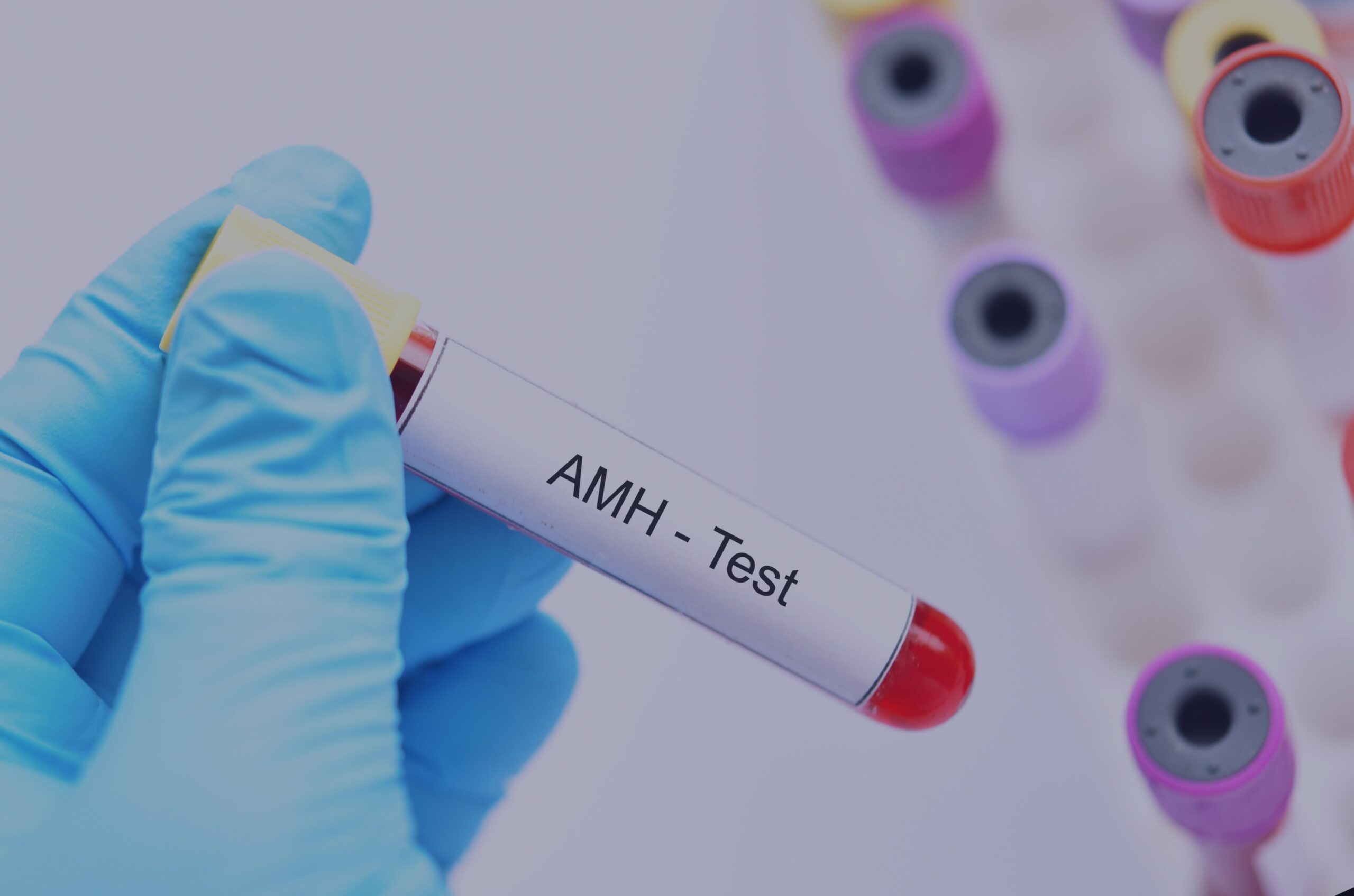
      probówka z krwią do badania AMH w Katowicach
      orange sketchy heart empty 2 AMH test Wroclaw orange sketchy heart AMH test Wroclaw
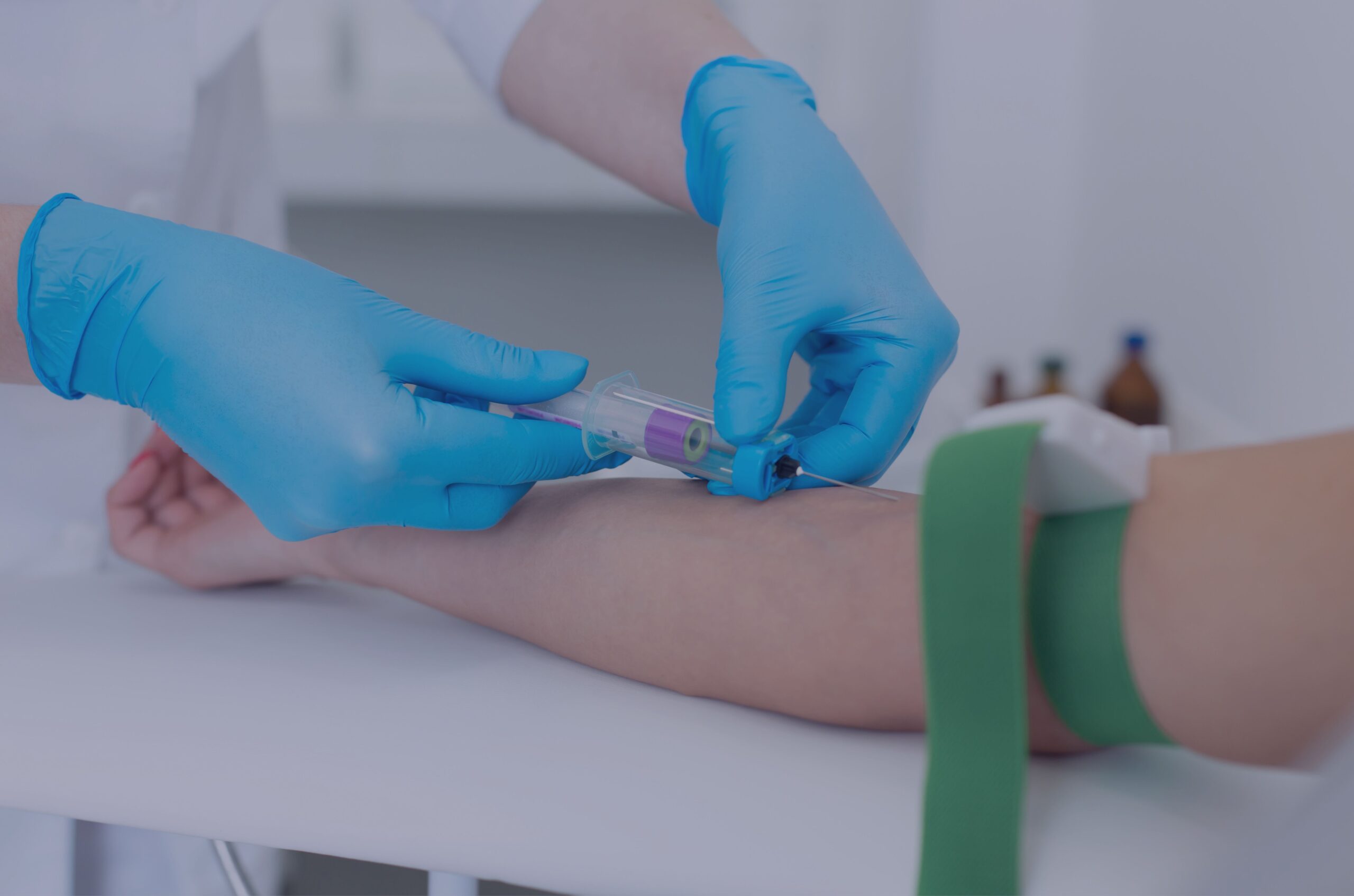
      pielęgniarka pobierająca krew od pacjentki do badania AMH w Katowicach
      AMH test Wroclaw

      Where to perform AMH test in Wroclaw?

      You will perform the AMH test at the Gyncentrum Clinic in Wroclaw at 1 Orląt Lwowskich St. Check the quality of your ova and increase your chances of having a baby.

      ikona lokalizacja 3 AMH test Wroclaw
      AMH test Wroclaw

      Gyncentrum Clinic Wrocław
      1 Orląt Lwowskich St.

      Check directions >>

      Make an appointment for an AMH test at the Gyncentrum Wrocław Clinic

        pakiet amh+inhibina b 350 zł pakiet amh + inhibina b 350 zł

        AMH and Inhibin B test for £350 orange heart AMH test Wroclaw

        INDICATIONS

        Who should do
        AMH testing?

        AMH testing should be performed by a woman who:

        • would like to check her reproductive potential
        • has been trying unsuccessfully with her partner for some time to have a child
        • would like to postpone her decision about motherhood
        • has irregular periods
        BENEFITS

        Why is it worth
        to do an AMH test in Wroclaw?

        AMH testing is worth doing for the following reasons:

        • it is one of the most effective parameters for assessing female fertility
        • determines ovarian reserve, that is, the number of follicles capable of fertilization
        • the result of the test makes it easier to choose the best time to try for a child
        • makes it possible to find out the cause of the disappearance of menstruation and irregular periods
        • helps diagnose premature cessation of ovarian function and PCOS
        FAQ

        Frequently asked questions
        regarding AMH testing

        What is the anti-Müllerian hormone? dropdown arrow AMH test Wroclaw

        Anti-Müllerian hormone (AMH), or Müllerian-inhibiting substance (MIS) or Müllerian-inhibiting factor (MIF), is a glycoprotein produced by the gonads – Sertoli cells in the testis and granulosa cells (preantral and antral follicles) in the ovaries. The level of AMH hormone correlates with the number of egg cells. The more there are, the higher the concentration of the hormone, and vice versa – the fewer ova, the lower the AMH level on the test result.

        What is ovarian reserve? dropdown arrow AMH test Wroclaw

        The process of oocyte formation is a rather complicated process and has its beginning as early as fetal life. How it proceeds depends on a great many factors: environmental, genetic and hormonal. At the stage of embryonic development, the primary germ cells undergo numerous divisions, increasing in number in the process. This is the time when the number of female sex cells increases instead of decreasing – the only time in a woman’s entire life. It is believed that around the 4th month of pregnancy the cells are approx. 7 million. However, by the 7th month, as a result of apoptosis (cell death) occurring, their number drops to 2 million and reduces further! With the onset of the first menstrual period, when the girl is 13-16 years old, the ovarian reserve already counts only 400 thousand cells. The entire period of a woman’s fertility, that is, from the onset of the first menstrual period until the onset of menopause, is associated with a slow decline in the number of egg cells.

        What does an ovarian reserve test provide? dropdown arrow AMH test Wroclaw

        The gradual shrinkage of the oocyte supply is a completely natural phenomenon that we cannot counteract. However, AMH testing, and other tests that assess female fertility, allow us to control this process. This, in turn, creates the possibility of conscious parenthood and the beginning of efforts to have a child at the most optimal moment.

        There are also an increasing number of hormonal preparations on the market, with the help of which we can stimulate the ovaries to ovulate. The same goal will be achieved by injecting them with platelet-rich plasma – a procedure that is increasingly popular among patients. In addition, a woman can safeguard her fertility by freezing oocytes and using them later in an IVF procedure.

        What are the norms for AMH levels in the body? dropdown arrow AMH test Wroclaw

        AMH standards are age-dependent, as the hormone levels naturally decline with age. The level of AMH hormone in given age ranges should be:

        20-24 years 1.52 – 9.95 ng/ml
        25-29 years 1.20 – 9.05 ng/ml
        30-34 years 0.71 – 7.59 ng/ml
        35-39 years 0.41 – 6.96 ng/ml
        40-44 years 0.06 – 4.44 ng/ml
        45-50 years 0.01 – 1.79 ng/ml
        Women with PCOS 2.41 – 17.1 ng/ml

        How long is the wait for the AMH test result? dropdown arrow AMH test Wroclaw

        At Gyncentrum Clinic, AMH test results are available the same day. Gyncentrum Medical Laboratory was one of the first in Poland to use state-of-the-art technology to provide accurate AMH test results within 20 minutes.

        What does a low AMH level mean? dropdown arrow AMH test Wroclaw

        Low ovarian reserve is most often indicative of premature cessation of ovarian function. (Premature ovarian failure – POF). We speak of it when ovarian function ceases before the age of 40, the age considered standard for menopause in the Polish population.

        What does a high AMH concentration mean? dropdown arrow AMH test Wroclaw

        Elevated AMH levels may suggest that a patient has polycystic ovary syndrome (PCOS). The condition is currently the most common endocrinopathy in women of reproductive age. It involves the presence of many tiny follicles in the ovaries. Menstrual disorders and amenorrheic cycles, hirsutism and acne can occur during the course of the disease. High levels of the hormone AMH are also characteristic of PCOS.

        Why is an AMH test done before IVF? dropdown arrow AMH test Wroclaw

        The results of scientific studies indicate that the chances of achieving an IVF pregnancy are higher in women with high levels of AMH compared to women with low levels of the hormone. There is a correlation between the percentage of correctly fertilized cells and the concentration of AMH hormone. Knowing the patient’s ovarian reserve, it is easier for the doctor to adjust the treatment method and predict the ovarian response to hormonal stimulation.

        Make an appointment for an AMH test at the Gyncentrum Wrocław Clinic

          close cross AMH test Wroclaw

          Check your fertility!

          Make an appointment
          for AMH test
          at Gyncentrum Wrocław

            orange sketchy heart AMH test Wroclaw

            Thank you for filling out the form

            We will soon contact you and offer a convenient date for an ovarian reserve test in Wroclaw.

            Homepage
            Ciąża Article · 10 August 2023

            The role of progesterone in pregnancy: functions, norms and disorders

            Progesterone is one of the most important hormones secreted by a woman’s ovaries. Without its participation, neither getting pregnant nor its subsequent maintenance would be possible. So it is safe to say that progesterone is like a protector standing guard over the safety of our yet unborn child. What exactly does its role consist in? What are the norms for the concentration of this hormone in the body of a woman during pregnancy? And finally, when can we talk about disorders? Are you curious? Read on!

            Kobieta w ciąży i jej partner trzymający ręce na brzuchu

            What is progesterone and what is its role in pregnancy?


            Progesterone is a steroid hormone produced mainly by the corpus luteum and, during pregnancy, by the placenta. Its main task is to prepare the endometrium to receive a fertilized egg. After ovulation, if fertilization does not occur, the corpus luteum degenerates and progesterone levels drop, leading to the desquamation of the endometrium, or menstruation. However, if fertilization occurs and a zygote is formed, the corpus luteum continues to produce progesterone maintaining adequate thickness of the endometrium (endometrium), giving the fertilized egg the best conditions for implantation. In the following weeks of pregnancy (between weeks 7 and 10), progesterone production is taken over by the developing placenta.


            Preparing the lining of the uterus for the embryo to implant is, of course, not the only task of progesterone. The hormone prevents the mother’s body from rejecting the fetus by modifying the immune response. In the second half of pregnancy, progesterone is also responsible for relaxing the enlarging uterus and inhibiting its contractile function, reducing its sensitivity to oxytocin and decreasing the production of prostaglandins. In this way, the hormone protects the mother-to-be and her baby from premature labor. However, that’s not all! After childbirth, progesterone levels drop sharply, which stimulates the mammary glands to start lactation. So, as you can see, progesterone in pregnancy performs many important functions that determine its proper course.


            Norms of progesterone in pregnancy


            The norms of progesterone in pregnancy vary depending on the laboratory where the test was performed. Therefore, when evaluating the result, we should always take into account the reference values given on it. In addition, you should always discuss it with your pregnancy doctor. All right, but let’s get to the specifics already, though. That is, how much progesterone should a pregnant woman’s body produce in each trimester? Here is a sample range of norms:


            • 1st trimester – 11.0-44.3 ng/ml,
            • II trimester – 25.4-83.3 ng/ml,
            • Third trimester – 58.7-214 ng/ml.


            orange sketchy heart The role of progesterone in pregnancy: functions, norms and disorders

            Have more questions?
            Write or call


            Progesterone-related disorders in pregnancy


            Disorders of progesterone in pregnancy, specifically progesterone deficiency, can cause a number of pathologies: from problems with implantation of the embryo in the uterus, caused by improper preparation of the endometrium , to bleeding during pregnancy, ectopic pregnancy and the risk of premature labor. Suspicion of the presence of any of the above pathologies is an indication for testing the body’s progesterone levels.


            What does low progesterone levels in pregnancy mean?


            Low progesterone levels – depending on the age of pregnancy – can suggest either corpus luteum insufficiency or problems with the placenta, which can unfortunately have further consequences. As we have already mentioned, during the period of trying for a child, it can hinder the implantation of the embryo, and thus prevent pregnancy itself. In turn, low progesterone in pregnancy is dangerous for the developing fetus and can lead to a number of complications, including premature birth.
             

            How to raise progesterone levels in pregnancy?

             
            Any mother-to-be whose tests have revealed a progesterone deficiency should start taking the appropriate preparations to help her make up for the deficiency. Of course, never on your own, and only after consulting your doctor! The preparation can be administered by intramuscular, oral or vaginal routes. The form and dose of the drug is also decided by the doctor, after taking into account the clinical situation and the individual preferences of the patient. Raise the level of progesterone in pregnancy can also be done in a more natural way, namely with a properly composed diet. Although progesterone is not found in the composition of any food product available in stores, but by choosing some of them, we can improve our hormonal balance, and thus increase the production of this hormone in the body. So how to increase progesterone levels during pregnancy naturally? First of all, by trying to make sure that the daily menu is rich in such vitamins and minerals as:


            • vitamin C (sources: broccoli, peppers, tomatoes, parsley);
            • VitaminE (sources: sunflower seeds, almonds, mangoes, broccoli, lettuce leaves, pumpkin, asparagus, avocado);
            • Vitamin B6 (sources: tuna, mackerel, salmon, chicken, spinach, walnuts, beans, prunes, bananas);
            • Magnesium (sources: cocoa, cashew nuts, mackerel, whole grain brown rice, chard, black beans);
            • Zinc (sources: beef, lamb, liver, cashew nuts, oysters, shrimp);
            • fiber (sources: wholemeal and whole-grain breads, bran, oatmeal, cereals, groats, nuts, sunflower seeds, pumpkin seeds).


            In summary, progesterone plays a key role in pregnancy. It supports her from the moment of conception until delivery, providing the right conditions for the proper development of the baby. Regular monitoring of progesterone levels during pregnancy is essential to minimize the risk of complications such as miscarriage, reproductive tract bleeding, ectopic pregnancy or premature delivery.

            Watch us
            Uśmiechnięta para w ciąży siedząca na kanapie
            Topics
            Ciąża
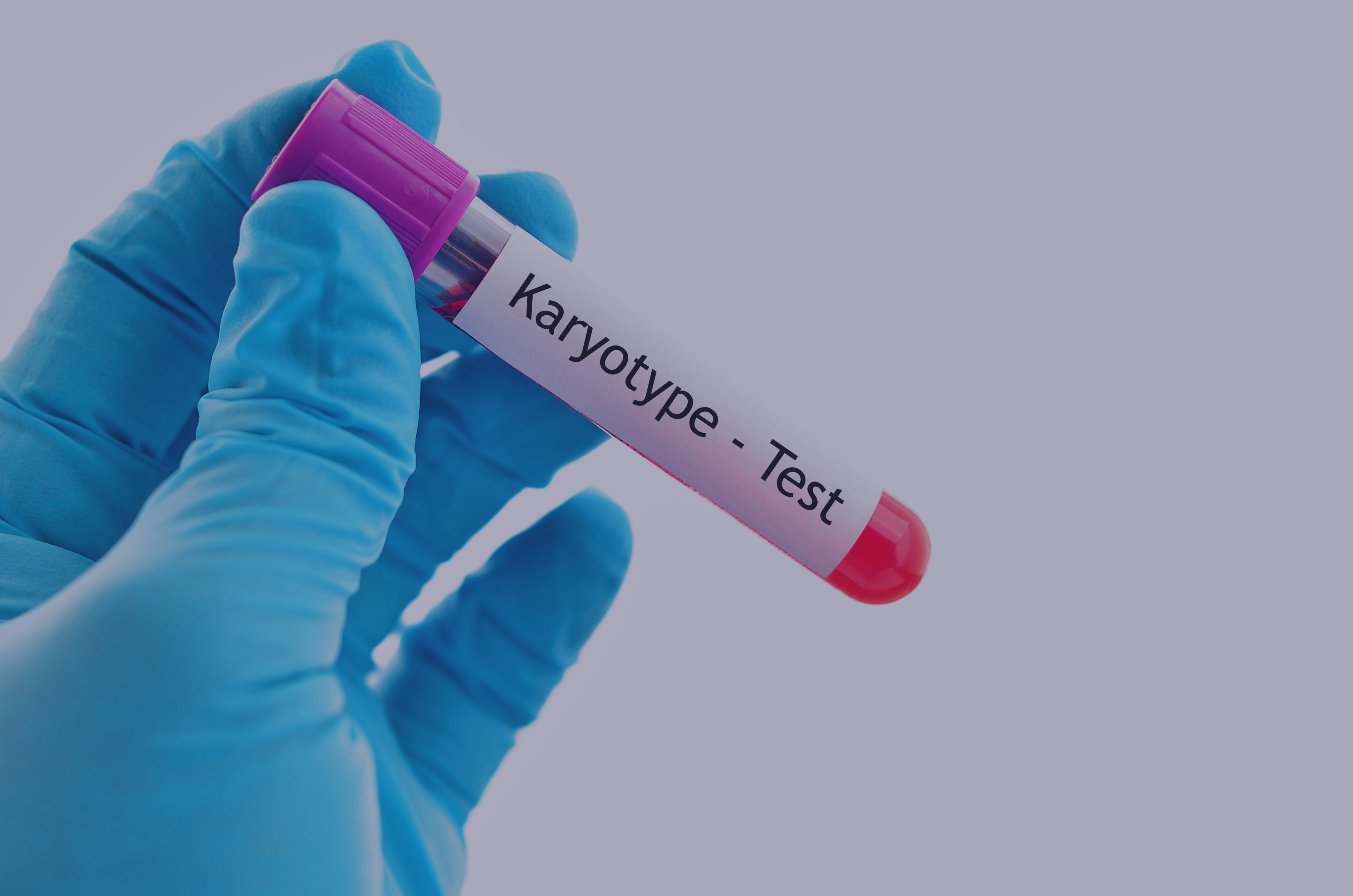
            Ginekologia plastyczna 22 Karyotype test Mobilki www Gyncentrum 3 Karyotype test

            Karyotype testing orange heart Karyotype test

            We detect chromosome abnormalities that can cause infertility and habitual miscarriages.

            orange sketchy heart Karyotype test
            DIAGNOSIS OF INFERTILITY AND MISCARRIAGES

            To whom is karyotype testing recommended?

            Karyotype testing is particularly recommended for couples:

            • who, despite months of effort, cannot get pregnant,
            • who experience habitual miscarriages,
            • who have a history of pregnancy ending in stillbirth,
            • who have people with genetic diseases in their family,
            • to whom a child affected by genetic defects has been born.
            orange sketchy heart empty Karyotype test orange sketchy crocked heart Karyotype test
            Pomoz w opracowaniu nowoczesnej terapii przeciwnowotworowej 4 Karyotype test

            Learn about the causes of infertility
            and habitual miscarriages.

            Make an appointment for an examination at Gyncentrum

              orange sketchy heart Karyotype test
              DIAGNOSIS OF INFERTILITY AND MISCARRIAGES

              Why take a karyotype test?

              Testing the karyotype carries the following benefits:

              • The test makes it possible to assess the risk of transmitting genetic defects to offspring.
              • The test provides an answer whether the cause of infertility is a genetic factor (genetic diseases are the most common cause of miscarriages).
              • The test makes it possible to estimate the risk of future miscarriages.
              • Knowing the cause of miscarriage, you can better prepare for the next pregnancy.
              • The result of the test performed at the Gyncentrum Genetic Laboratory can be consulted with a Gyncentrum reproductive medicine doctor.
              orange sketchy heart empty Karyotype test orange sketchy crocked heart Karyotype test
              Pomoz w opracowaniu nowoczesnej terapii przeciwnowotworowej 3 Karyotype test

              About the test

              8 2.pdf 9 Karyotype test

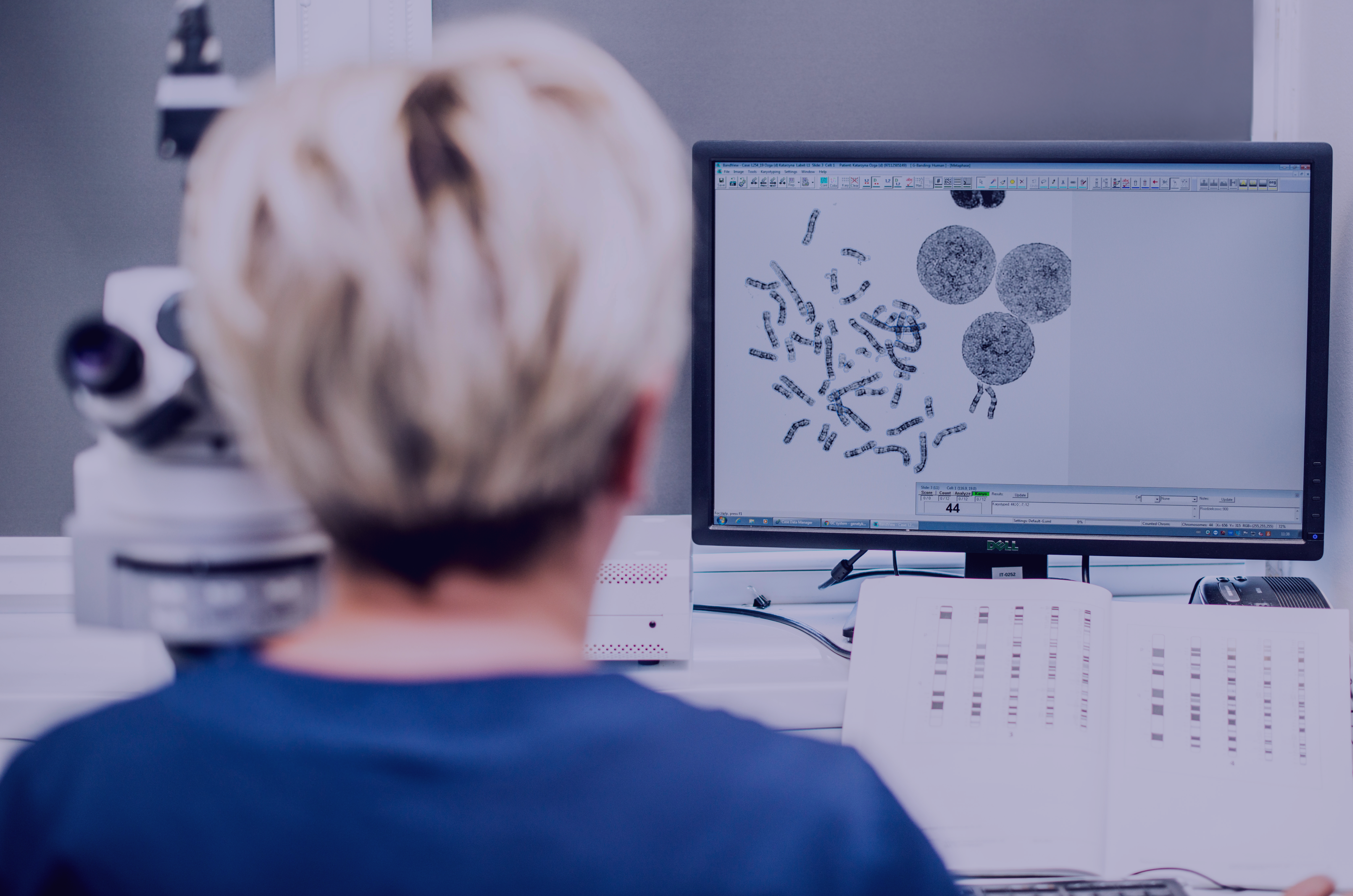
              The karyotype test is designed to rule out abnormalities in the structure and number of chromosomes, which can cause infertility or recurrent miscarriages.

              8 2.pdf 19 Karyotype test

              Abnormalities in the number and structure of chromosomes can cause Down syndrome, Klinefelter syndrome and Turner syndrome, among others.

              8 2.pdf 26 Karyotype test

              The survey answers many questions about the partners’ health, their chances of carrying a pregnancy and delivering a healthy baby.

              8 2.pdf 20 Karyotype test

              Karyotype testing should be performed by both partners.

              8 2.pdf 24 Karyotype test

              Since the set of chromosomes is constant throughout a person’s life, the test only needs to be done once. It does not require any prior preparation.

              8 2.pdf 7 Karyotype test

              The test is recommended by the Polish Society of Gynecologists and Obstetricians to all couples having difficulty conceiving a child and maintaining a pregnancy.

              At the Gyncentrum Infertility Treatment Clinic, in addition to classic karyotype testing, we also perform molecular microarray (aCGH, molecular karyotype) and karyotype testing of miscarriage material.
              FAQ

              Frequently asked questions
              regarding karyotype testing

              What does a karyotype test consist of? dropdown arrow Karyotype test

              It involves taking a sample of peripheral blood and determining the number of chromosomes in the cells. These chromosomes contain a person’s comprehensive genetic information. The examined karyotype makes it possible to detect possible abnormalities in the number and structure of chromosomes, which can affect human fertility and be associated with the risk of giving birth to a child with genetic birth defects.

              Karyotype is the test most often recommended to patients. Thanks to it, it is possible to detect, among other things:

              • deletions- a change in genetic material involving the loss of part of a chromosome,
              • translocations- transfer of a fragment of a chromosome to another chromosome,
              • duplications – doubling of a fragment of a chromosome
              • presence of a marker chromosome – these are small additional chromosomes, usually of unknown origin.
              Why take a karyotype test? dropdown arrow Karyotype test

              Detection of abnormalities in the number or structure of chromosomes can provide answers to the cause of infertility or habitual miscarriages in a couple. The test also makes it possible to assess the risk of transmitting a genetic defect to offspring. Treatment can then be implemented to increase her chances of conceiving a healthy child. Couples with an abnormal karyotype test result are offered the use of IVF, preceded by preimplantation diagnosis.

              What diseases can be detected by karyotype testing? dropdown arrow Karyotype test

              Karyotype testing can detect abnormalities in the number and structure of chromosomes responsible for fertility problems, habitual miscarriages and the presence of birth defect syndromes in the child, such as:

              • Down syndrome (trisomy 21)
              • Edwards syndrome (trisomy 18)
              • Patau syndrome (trisomy 13)
              • Turner syndrome (monosomy of the X chromosome)
              • Klinefelter syndrome (XXY)
              • Supersam syndrome (XXX)
              • Jacobs syndrome (XYY)

              In addition to numerical aberrations, karyotype testing can detect abnormalities in chromosome structure, including deletions, duplications and transolocations.


              Is the karyotype test painful? dropdown arrow Karyotype test

              No, karyotype testing is not painful because the sample is a small amount of venous blood taken from the parents. In the case of karyotype testing of material from a miscarriage, however, the sample is a fragment of chorionic villi secured in saline.

              What role does karyotype testing play in the diagnosis of infertility? dropdown arrow Karyotype test

              The continuous development of human genetics and molecular biology makes it possible to verify the causes of diseases recorded in DNA. For couples struggling with infertility, genetic testing can provide answers to the cause. In addition, genetic diagnostics makes it possible to detect abnormalities (such as chromosomal abnormalities) early and assess the risk of transmitting these defects to offspring. Thanks to this knowledge, already at an early stage of pregnancy, and even earlier – when planning offspring – parents-to-be can check whether they are burdened with genetic abnormalities that can be transmitted to the child and, together with the doctor, decide what treatment will be best in their case.

              How long is the wait for a karyotype test result? dropdown arrow Karyotype test

              The classic karyotype test requires cell culture, so you have to wait about three weeks for the result.

              How do I prepare for a karyotype test? dropdown arrow Karyotype test

              The karyotype test does not require special preparations. Although it resembles a morphology, it does not require patients to be fasting.

              With which doctor should I consult the result of the karyotype test? dropdown arrow Karyotype test

              The result of the karyotype test is worth consulting a geneticist who, as a specialist in genetically determined diseases, will estimate the chances of carrying a pregnancy and giving birth to a healthy baby. He will also suggest the most optimal treatment plan in your case.

              Learn about the causes of infertility
              and habitual miscarriages.

              Make an appointment for an examination at Gyncentrum

                aerial view of wawel castle in krakow poland scaled Karyotype test aerial view of wawel castle in krakow poland scaled Karyotype test
                Let’s meet in Cracow!

                Visit our Cracow Clinic

                You want to learn more about our clinic?

                Don’t wait and and combine visiting our clinic with sightseeing around the Cracow.

                Click here, and schedule an appointment.

                close cross Karyotype test

                Schedule a  consultation with our specialist!

                  Thank you for filling out the form

                  We will contact you shortly to schedule a convenient appointment.

                  SPERMbiome – semen microbiome

                  orange cross SPERMbiome - semen microbiome
                  orange sketchy heart SPERMbiome - semen microbiome

                  Semen microbiome analysis

                  Do you have reduced semen parameters? Are you unsuccessfully trying to have a baby? Are you experiencing discomfort in the genitourinary tract? Perform SPERMbiome – a test that evaluates the composition of the semen microbiome and get a chance for effective treatment and improved fertility.

                  Make an appointment for a consultation
                  orange sketchy heart empty SPERMbiome - semen microbiome orange sketchy crocked heart SPERMbiome - semen microbiome
                  spermbione en SPERMbiome - semen microbiome
                  orange sketchy heart SPERMbiome - semen microbiome

                  Get your semen microbiome tested!
                  Get a chance for effective treatment and improved semen parameters

                  SPERMbiome – semen microbiome analysis met. NGS

                  SPERMbiome is a screening test that provides complete information on the composition of the bacterial microflora of male semen. A balanced semen microbiome is an important factor in intimate health and male fertility.

                  The test is performed using the Next Generation Sequencing(NGS) technique. The technique is based on sequencing the V3 and V4 subunits of the bacterial 16s rRNA gene, which makes it possible to accurately identify bacteria to genus and species. Examination of the microbiome by the NGS technique, unlike traditional microbiological methods, makes it possible to know the full battery profile of semen, taking into account also non-culturable strains, and allows to determine the percentage of bacteria identified in the sample.

                  SPERMbiome – for whom?

                  Semen microbiome testing is recommended especially for men who:

                  • are struggling with symptoms suggestive of a genitourinary tract infection, i.e. pain, itching and burning during urination, leakage of urethral discharge, testicular pain
                  • have been trying unsuccessfully with a partner for a child for a long time
                  • have reduced semen parameters
                  aerial view of wawel castle in krakow poland scaled SPERMbiome - semen microbiome aerial view of wawel castle in krakow poland scaled SPERMbiome - semen microbiome
                  Let’s meet in Cracow!

                  Visit our Cracow Clinic

                  You want to learn more about our clinic?

                  Don’t wait and and combine visiting our clinic with sightseeing around the Cracow.

                  Click here, and schedule an appointment.

                  Why perform SPERMbiome?

                  • SPERMbiome allows to assess the composition of the bacterial microflora of semen. When the result indicates dysbiosis or the presence of pathogens, the doctor can suggest appropriate treatment with antibiotics and/or probiotics.
                  • SPERMbiome identifies the presence of pathogenic bacteria responsible for bacteriospermia, which is often asymptomatic.
                  • SPERMbiome provides a complete picture of the semen’s bacteriological profile, making it possible to modify the microflora with diet, appropriate supplementation or antibiotic therapy. This, in turn, increases the chance of improving semen parameters.

                  Semen microbiome – why is it so important for male fertility?

                  Infertility affects about 10-15% of couples of reproductive age, with the male factor responsible for about 40% of all infertility cases [1]. “The gold standard” in the diagnosis of male infertility is the semen test, or seminogram. Semen quality can be reduced by a wide variety of factors, including lifestyle, endocrine, urological, infectious, neurological diseases, genetic disorders, past trauma, psychological problems, and sexual dysfunction. However, about 30%-70% of all cases of male infertility are idiopathic, that is, the cause cannot be determined. It is supposed that idiopathic infertility in men may be responsible, among other things, precisely for the abnormal profile of the microbiome.

                  According to various data, the incidence of asymptomatic bacteriospermia in infertile men can be between 15-70% [1]. The bacterial species most commonly isolated in semen are Enterobacteriaceae (including Escherichiacoli, Klebsiella spp, Enterococcus spp, Salmonella spp, Proteus spp and Pseudomonas spp), Streptococcus spp (S. agalactiae, S. anginosus, S. viridians), Staphylococcus spp(S. aureus, S. haemolyticus, S.epidermidis), sexually transmitted bacteria(Ureaplasma spp, Mycoplasma spp, Chlamydia spp), Gardnerella vaginalis, Bacteroides spp, Morganella morganii, bacteria of the Lactobacillaceae family, and others.

                  It has been proven that disorders of the bacterial microflora in the genital tract of men can reduce semen quality, lead to inflammation, and eventually infertility. In addition, the sperm microbiota affects not only the health of the man, but also that of his partner and offspring. Evaluation of the microbiome is an important indicator of health and should be included in the diagnosis of infertility, and the possibility of modifying it – through diet, supplementation and the use of certain medications – provides a real opportunity to improve overall health and fertility.

                  Sources:
                  [1] P. Brandão, M. Gonçalves-Henriques, N. Ceschin, Seminal and testicular microbiome and male fertility, Porto Biomedical Journal 2021, Vol. 6, p. 151.

                  close cross SPERMbiome - semen microbiome

                  Schedule a  consultation with our specialist!

                    Thank you for filling out the form

                    We will contact you shortly to schedule a convenient appointment.

                    ENDObiome – endometrial microbiome

                    orange cross ENDObiome - endometrial microbiome
                    orange sketchy heart ENDObiome - endometrial microbiome

                    Study to assess the composition of the endometrial microbiome

                    Are you trying to have a baby? Are you preparing for an in vitro procedure? Have you experienced miscarriages? Do you have frequent intimate infections or chronic endometritis? Perform ENDObiome – a test that evaluates the composition of the endometrial microbiome and get a chance for successful treatment, pregnancy and childbirth.

                    orange sketchy heart empty ENDObiome - endometrial microbiome orange sketchy crocked heart ENDObiome - endometrial microbiome
                    endobiome en ENDObiome - endometrial microbiome
                    orange sketchy heart ENDObiome - endometrial microbiome

                    Get your endometrial microbiome tested!
                    Gain the chance for successful treatment and pregnancy and childbirth

                    ENDObiome – analysis of the endometrial microbiome met. NGS

                    ENDObiome is a screening test that provides complete information on the microbial environment of the uterus. A balanced endometrial microbiome is an important factor in a woman’s intimate health, as well as successful embryo implantation and a normal pregnancy.

                    The test is performed using the Next Generation Sequencing (NGS) technique. The technique is based on sequencing the V3 and V4 subunits of the bacterial 16s rRNA gene, which makes it possible to accurately identify bacteria to genus and species. Examination of the microbiome by the NGS technique, unlike traditional microbiological methods, makes it possible to know the full battery profile of the endometrium, taking into account non-culturable strains as well, and allows to determine the percentage of bacteria identified in the sample.

                    The normal microbiome of the uterine environment, like that of the vagina, is dominated by Lactobacillus, the so-called lactic acid bacilli. This bacterium accounts for more than 30% of the total endometrial microbiome. Other bacteria residing on the surface of the endometrium are: Acinetobacter (9.07%), Pseudomonas (9.09%), Sphingobium (5%) and Vagococcus (7.29%) [1]. The presence of the above microorganisms in the right proportions is extremely important for a woman’s health and fertility.

                    Microbial balance provides protection against pathogen attack and enables the proper functioning of a woman’s reproductive system. Dysbiosis, on the other hand, is a disruption of the quantitative relations between microorganisms, often in favor of pathogenic bacteria. An abnormal endometrial microflora can impede embryo implantation, lead to pregnancy loss and premature delivery, and be associated with gynecological and obstetric conditions, i.e. chronic endometrial inflammation, intimate infections and even cancer of the reproductive organs.

                    aerial view of wawel castle in krakow poland scaled ENDObiome - endometrial microbiome aerial view of wawel castle in krakow poland scaled ENDObiome - endometrial microbiome
                    Let’s meet in Cracow!

                    Visit our Cracow Clinic

                    You want to learn more about our clinic?

                    Don’t wait and and combine visiting our clinic with sightseeing around the Cracow.

                    Click here, and schedule an appointment.

                    ENDObiome – for whom?

                    Testing the endometrial microbiome is recommended especially for women who:

                    • are preparing for the in vitro fertilization procedure
                    • have experienced failures of the in vitro procedure due to problems with embryo implantation
                    • have experienced multiple miscarriages
                    • are having difficulty getting pregnant
                    • have experienced premature births
                    • have a diagnosis of endometriosis
                    • suffer from frequent intimate infections or chronic inflammation of the reproductive organs

                    Why perform an ENDObiome?

                    • ENDObiome allows assessment of the proportion of individual Lactobacillus species in the endometrial microbiota. When the result indicates dysbiosis or the presence of pathogenic species, the doctor can suggest appropriate treatment with antibiotics and/or probiotics.
                    • ENDObiome identifies the presence of pathogenic bacteria responsible for chronic endometritis, which is often asymptomatic and not detectable on ultrasound.
                    • ENDObiome increases the effectiveness of in vitro fertilization. The test helps determine whether the microbial environment of the uterus is optimal for embryo implantation. This allows the doctor to make an informed decision on whether to transfer the embryo or postpone it and initiate treatment to restore a normal microbiota.
                    • TheENDObiome gives a complete picture of the endometrial microbial profile, making it possible to modify the microflora with diet, appropriate supplementation or antibiotic therapy. This, in turn, increases the chance of embryo implantation, normal pregnancy and childbirth.

                    Sources:
                    [1] B. Macura, M. Majewska-Szczepanik, A.Strzępa, M. Szczepanik, Influence of the uterine microbiota on the health of a woman and her offspring, General Medicine and Health Sciences 2020, Vol. 26, No. 3, pp. 230-239.

                    close cross ENDObiome - endometrial microbiome

                    Schedule a  consultation with our specialist!

                      Thank you for filling out the form

                      We will contact you shortly to schedule a convenient appointment.

                      WES study

                      orange cross WES test
                      orange sketchy heart WES test

                      The most extensive genetic testing on the market

                      Whole-exome sequencing – WES is the most extensive test of the coding portions of the genome available on the market today, with up to 20,000 genes being analyzed. A change in any of them can lead to the development of a genetic disease, such as those manifested by autism spectrum disorders. Since the WES test checks many thousands of genes simultaneously, it significantly shortens the diagnostic process and reduces its cost. If the test detects a specific disease, the patient has a chance to get into the care of specialists and start effective treatment sooner.

                      orange sketchy heart empty WES test orange sketchy crocked heart WES test
                      Badanie WES
                      orange sketchy heart WES test

                      Get your genes tested and find out the cause of your health problems!

                      What does the WES study consist of?

                      The Whole Exome Sequencing (WES) test involves sequencing the coding regions of genes in the human body, i.e., whole exome sequencing, where mutations can impinge on the formation of defective proteins and result in genetic disorders. The test involves analyzing 20,000 genes for mutations in them. Detection of such mutations allows the implementation of appropriate therapy at an early stage of the disease or identification of a disease entity that often cannot be determined by other diagnostic tests.

                      The test material is DNA isolated from blood. The test is based on the Next Generation Sequencing ( NGS) technique, which makes it possible to precisely identify sequences of coding genes in which mutations can cause genetic diseases.

                      WES TRIO study

                      The WES TRIO test differs from the standard WES test in that it offers the possibility of including genetic material from the patient’s parents in the analysis as well. The DNA of all test subjects is first sequenced and then compared with each other for the presence of the same gene variations. Checking the genes of the parents makes it easier to make the right diagnosis. It also makes it possible to determine whether a disease is hereditary, and if so, from which parent the sick patient inherited the defective gene. The result of the WES TRIO test thus provides valuable information on the patient’s health status, as well as that of his immediate family members.

                      WES examination – indications

                      The WES examination is intended for both children and adults who present with various worrisome symptoms and health problems, including those of unknown cause, such as:

                      • intellectual disabilities
                      • autistic disorders
                      • epilepsy
                      • facial dysmorphia
                      • diseases of the skeletal system
                      • frequent infections, which may indicate congenital immune deficiencies
                      • muscular atrophy (muscular dystrophies)
                      • symptoms from the digestive system
                      • symptoms suggestive of metabolic disease

                      Whole-exome sequencing is also used in the diagnosis of:

                      • predisposition to cancer
                      • carriage of genetic diseases

                      Why perform WES and WES TRIO testing?

                      • The WES test is the most extensive testing of the coding parts of the genome available on the market
                      • The patient does not have to repeatedly donate blood, as would be the case if each gene had to be tested separately.
                      • The test offers a chance to shorten the entire diagnostic process.
                      • The test offers a chance to reduce diagnostic costs.
                      • With the WES test, the patient can start effective treatment sooner.
                      • The result of the test is valid for life and can also be used in the future.

                      How to prepare for the WES study?

                      The WES test does not require any special preparations. The patient does not need to come for it on an empty stomach. He should only remember to hydrate his body properly so that the blood is not too thick during the collection.

                      aerial view of wawel castle in krakow poland scaled WES test aerial view of wawel castle in krakow poland scaled WES test
                      Let’s meet in Cracow!

                      Visit our Cracow Clinic

                      You want to learn more about our clinic?

                      Don’t wait and and combine visiting our clinic with sightseeing around the Cracow.

                      Click here, and schedule an appointment.

                      close cross WES test

                      Schedule a  consultation with our specialist!

                        Thank you for filling out the form

                        We will contact you shortly to schedule a convenient appointment.

                        badania po poronieniach Miscarriages badania po poronieniach mobile Miscarriages

                        Diagnosis of causes of miscarriages orange heart Miscarriages

                        Diagnosis of causes of miscarriages. Examination of miscarriage material. Study of the karyotype of the parents by clinical microarray (aCGH, molecular karyotype).

                        orange sketchy heart Miscarriages

                        Have you had a miscarriage? Find out the cause of your pregnancy loss and increase your chances of keeping another pregnancy.

                        Statistically, about 15-20% of all clinically diagnosed pregnancies end in spontaneous miscarriage.
                        Inmost cases (60-80%) genetic defects of the embryo are behind the loss. At Gyncentrum clinic, we offer our patients a complete diagnosis of the causes of miscarriage, including:

                        • Genetic examination of the material from the miscarriage
                        • Examination of the parents’ karyotype using the clinical microarray method

                        Clarifying the direct cause of a miscarriage is very important for at least several reasons. First, by knowing what contributed to the loss of the pregnancy, parents can more quickly return to emotional equilibrium. Second, by being aware of the source of the problems with maintaining the pregnancy, they can take steps to increase their chances of maintaining another pregnancy.


                        orange sketchy heart empty Miscarriages orange sketchy crocked heart Miscarriages
                        diagnostyka przyczyn poronien Miscarriages

                        Do you have questions about testing after a miscarriage?

                          orange sketchy heart Miscarriages
                          GENETIC TESTING IN THE DIAGNOSIS OF MISCARRIAGES

                          Examination of material from a miscarriage

                          The most common causes of spontaneous miscarriage in early pregnancy are genetic factors, most of which are abnormalities in the number of chromosomes. The consequences of these defects are abnormalities in the development of the embryo, which usually leads to miscarriage. These defects usually arise already at the stage of fusion of the genetic material of the ovum and sperm, are most often accidental and occur with a completely normal karyotype of both partners.

                          Why is it important to test for genetic diseases of the fetus after a miscarriage?

                          • Genetic diseases are the most common cause of miscarriage, so it is worth ruling out fetal aneuploidies first.
                          • The test allows you to direct further diagnosis of miscarriage.
                          • The test allows you to estimate the risk of future miscarriages or the birth of a child with a genetic defect.
                          • Knowing the cause of the miscarriage, you can better prepare for the next pregnancy.
                          • It is easier to come to terms with the loss of a pregnancy when you know that it was not due to negligence and could not have been prevented.
                          • The result of the genetic test of the cause of miscarriage, performed at the Gyncenter Genetic Laboratory, can be consulted with a Gyncenter reproductive medicine doctor.
                          Read more
                          orange sketchy heart empty Miscarriages orange sketchy crocked heart Miscarriages
                          badanie materialu z poronienia Miscarriages
                          orange sketchy heart Miscarriages
                          GENETIC TESTING IN THE DIAGNOSIS OF MISCARRIAGES

                          Parental karyotype testing

                          Statistically, up to 3 – 6% of parents are carriers of chromosomal aberrations. The presence of abnormalities in the structure or number of chromosomes is associated with a higher risk of pregnancy failure, including habitual miscarriage. Such a parent has no apparent symptoms. The only things that concern him are reproductive failures. The tool to identify them is the karyotype test, which evaluates the number and structure of chromosomes.

                          If one parent is a carrier of a chromosomal aberration, there is a likelihood that a miscarriage will also occur with the next pregnancy (these changes are hereditary). The risk of a repeat pregnancy loss can only be determined by a geneticist, based on the test results obtained. He can also suggest the couple to perform prenatal testing or preimplantation diagnosis (PGD), preceding IVF.

                          Read more
                          orange sketchy heart empty Miscarriages orange sketchy crocked heart Miscarriages
                          badanie kariotypu rodzicow Miscarriages
                          GENETIC TESTING IN THE DIAGNOSIS OF MISCARRIAGES

                          Clinical microarray (molecular karyotype)

                          Clinical microarray (molecular karyotype), using aCGH technology, or comparative genomic hybridization to microarray, offers much greater capabilities than classical karyotype testing. In addition to aneuploidies in chromosomes, it can identify much finer changes, so-called submicroscopic chromosomal aberrations. Using classical cytogenetics (classical karyotype examination) we are not able to track them, due to the limited resolution.

                          Molecular karyotype allows us to determine the possible cause of pregnancy loss, fetal death or stillbirth. To do this, it uses special molecular probes that attach to selected sites in the DNA. A special device records and analyzes the signal from the probes, and only on the basis of this analysis is the patient’s karyotype and changes in the number of copies of variants determined. The microarray image created is bioinformatically analyzed and then transferred to a laboratory diagnostician for evaluation.

                          Call us

                          The following types of samples are obtained for analysis:

                          • peripheral blood – if the test is to check the parents’ carriage of genetic defects.
                          • Material from a miscarriage – if the test is to determine whether the cause of the miscarriage was a genetic defect in the embryo.
                          • aminocytes (fetal cells present in the amniotic fluid) – if the test is to confirm or exclude the presence of a genetic defect in the fetus.


                          CAUSES OF MISCARRIAGES

                          What can cause miscarriages?

                          Statistically, about 15-20% of all clinically diagnosed pregnancies end in spontaneous miscarriage, of which about 80% of miscarriages occur by the 12th week of pregnancy. Miscarriage can be the result of abnormalities lying on the side of both the mother’s body and the embryo. Among the most common causes of pregnancy loss are:

                          Genetic defectsoccurring in the embryo or parents: in the case of the embryo, these are most often abnormalities in the number of chromosomes (chromosome aberrations) responsible for the occurrence of such genetic diseases as Down syndrome, Edwards syndrome, Patau syndrome, Turner syndrome and others. Their presence is most often random and does not recur in subsequent pregnancies. Abnormalities in the parents’ karyotypes are much less often behind miscarriages. However, when present, they can lead to subsequent miscarriages. Statistically, one partner out of 3-6% of couples experiencing habitual miscarriages is a carrier of a balanced structural chromosomal aberration (most often a Robertsonian translocation), which can make it impossible to maintain a pregnancy.

                          Defects in the structure of the uterus: such as bicornuate uterus, unicornuate uterus, septate uterus or cervical insufficiency.

                          Endocrine disorders: abnormal levels of sex hormones (deficiency, excess), thyroid disease and PCOS have a significant impact on the course of pregnancy.

                          Immunological disorders: such as antiphospholipid syndrome. In its course, antibodies are produced that attack the body of the pregnant woman.

                          Viral, bacterial and fungal infections: such as rubella, toxoplasma, cytomegalovirus, chlamydiosis.

                          Make an appointment for a consultation
                          FAQ

                          Frequently asked questions about
                          miscarriages

                          How does a miscarriage manifest itself? dropdown arrow Miscarriages

                          Miscarriage is most often manifested by paroxysmal lower abdominal pain of varying severity, radiating to the lumbosacral region, as well as spotting and bleeding from the genital tract. Rarer symptoms we can include: an increase in body temperature, chills, a feeling of restlessness, white-pinkish discharge from the genital tract, weight loss.

                          What are the types of miscarriage? dropdown arrow Miscarriages

                          Miscarriages are divided based on various criteria, and each type is slightly different in nature. There are the following types of miscarriage:

                          • Spontaneous miscarriage: one that occurred without medical intervention.
                          • Early miscarriage: one that occurred before the 12th week of pregnancy.
                          • Late miscarriage: one that occurred after the 12th week of pregnancy.
                          • Single (sporadic) miscarriage: a miscarriage that occurred only once.
                          • Habitual/recurrent miscarriage: that of the third and each subsequent miscarriage.
                          • Complete miscarriage: one in which the fetal egg has been completely expelled from the mother’s body.
                          • Incomplete miscarriage: we refer to it when fragments of the placenta, chorionic villi remain in the uterus. Then they must be removed, for example, during a uterine curettage procedure.
                          • Retained miscarriage: this is the death of the fetal egg, followed by no expulsion of the dead fetus. Most often a woman finds out about it during an ultrasound.
                          • Ongoing miscarriage: a miscarriage that has already begun and is accompanied by severe abdominal pain and heavy bleeding from the genital tract. In this type of miscarriage, the pregnancy can no longer be saved.
                          Is there a chance for another pregnancy after a miscarriage? dropdown arrow Miscarriages

                          YES! A single miscarriage does not exclude the possibility of getting pregnant again and giving birth to a healthy baby. Helpful in achieving this goal, is to know the cause of the miscarriage. Therefore, when a pregnancy loss occurs, it is worth undergoing appropriate diagnostics.

                          How long after a miscarriage can you try for a baby again? dropdown arrow Miscarriages

                          Theoretically, it is possible already during the first ovulation after the loss, that is, around 2-8 weeks after the miscarriage. However, doctors recommend that you give your body time to recover and start trying no earlier than 3-6 months after the miscarriage.

                          Do you have questions about testing after a miscarriage?

                            close cross Miscarriages

                            Schedule a  consultation with our specialist!

                              Thank you for filling out the form

                              We will contact you shortly to schedule a convenient appointment.

                              Fertigen Men

                              orange cross Fertigen Men
                              orange sketchy heart Fertigen Men
                              GENETIC INFERTILITY TESTS

                              Testing for genetic infertility in men.

                              The Fertigen Men test involves the analysis of about 80 genes in which the presence of pathogenic mutations contributes to infertility in men. Awareness of the presence of infertility with a genetic basis makes it possible to take appropriate measures to obtain a pregnancy and give birth to a healthy child.

                              At theGyncentrum clinic, in addition to the Fertigen Men test, we offer a panel of genetic tests for infertility aimed at women – Fertigen Woman – which includes the analysis of about 150 gen es.

                              Make an appointment for a consultation
                              orange sketchy heart empty Fertigen Men orange sketchy crocked heart Fertigen Men
                              fertigen man
                              aerial view of wawel castle in krakow poland scaled Fertigen Men aerial view of wawel castle in krakow poland scaled Fertigen Men
                              Let’s meet in Cracow!

                              Visit our Cracow Clinic

                              You want to learn more about our clinic?

                              Don’t wait and and combine visiting our clinic with sightseeing around the Cracow.

                              Click here, and schedule an appointment.

                              Indications

                              Who is the Fertigen Men infertility panel for?

                              Get tested for genetic infertility factors if:

                              • You have abnormal semen parameters
                              • You have been diagnosed with abnormal testicular development
                              • You and your partner have been trying unsuccessfully for a child for a long time
                              • Your partner has experienced several miscarriages
                              Make an appointment

                              Why perform Fertigen Men?

                              Molecular testing can detect the genetic cause of infertility. With this knowledge it is possible to:

                              • Estimate the chances of a natural pregnancy and its delivery
                              • Determine the direction of further actions aimed at obtaining offspring, such as the use of in vitro procedure, donation of reproductive cells, preimplantation diagnosis, etc.
                              orange sketchy heart Fertigen Men

                              Get a chance to become a father!
                              Getyour genes tested and see if your infertility is genetic.

                              ABOUT THE STUDY

                              What genes do we test in the Fertigen Men panel?

                              The Fertigen Men infertility panel includes analysis of the presence of mutations in the following genes:

                              ADGRG2: this gene encodes a trans-membrane protein specific for the epididymides and controlling their function. Damage to the gene disrupts epididymal function, leading to infertility [1].

                              CCDC40: mutation in this gene can cause primary ciliary dyskinesia (PCD), a rare genetic disease manifested by disruption of the upper and lower airways. Almost all men with PCD are infertile as a result of lack of sperm motility, but sometimes sperm retain motility [2].

                              DMRT1: this gene is responsible for sex determination processes in . Located on the short arm of chromosome 9, it encodes the transcription factor DMRT1, which regulates the function of Sertoli cells, or sperm tubule cells in the testes, which are involved in spermatogenesis (the formation of new sperm). Mutation of the gene can lead to abnormal testicular development, XY feminization and 46,XY sex reversal, as well as gonadal dysgenesis and infertility [3].

                              SRY: the gene is responsible for sex determination in men and initiates testicular development. Mutations occurring in it in most cases lead to sex reversal of XY individuals into female individuals, i.e. Swyer syndrome [4].

                              Learn more

                              GATA4: the gene encodes a protein of the same name that activates the expression of the SRY gene. The gene is responsible for embryogenesis, gonadogenesis (including male sex determination) and the normal formation of the heart and coronary vessels. Mutations occurring in it can lead to abnormal testosterone synthesis, abnormal sperm duct formation and gonadal dysgenesis [3].

                              HS6ST1: mutation in this gene leads to hypogonadotropic hypogonadism, which manifests as slowed or complete disappearance of sexual maturation. This occurs due to a deficiency of gonadoliberin (GnRH), a hormone secreted by the hypothalamus [5].

                              LHCGR: mutation in this gene is responsible for the underdevelopment of Leydig cells in the testes responsible for the secretion of androgens, the male sex hormones. Along with Leydig cell hypoplasia, a man may develop other genital defects, including spodziectasis, a congenital urethral defect characterized by abnormal localization of the external urethral outlet.

                              And also in such genes as: AMH, AMHR2, ANOS1, APOA1, AR, AURKC, BLM, BNC2, CCDC141, CCDC39, CDC14A, CEP290, CFAP251, CFAP43, CFAP44, CFAP69, CFTR, CHD7, CYP11A1, CYP11B1, CYP17A1, CYP19A1, CYP21A2, DAZL, DCC, DNAAF11, DNAAF2, DNAAF4, DNAAF6, DNAH1, DPY19L2, FANCA, FANCM, FBXO43, FGF8, FGFR1, FSHB, FSHR, GNRH1, GNRHR, HSD17B3, HSD3B2, HSF2, IGF2, IL17RD, INSL3, KISS1, KLHL10, LHB, MAMLD1, NLRP3, NR0B1, NR5A1, PKD1, PLCZ1, PLXNA1, PMFBP1, PROK2, PROKR2, RSPO1, SEMA3A, SLC29A3, SOX10, SOX2, SOX3, SOX9, SPATA16, SRD5A2, SUN5, SYCP3, TACR3, TEX11, TEX15, TRIM37,K WDR11, WT1, XRCC2, MCM9, ESR2, and DUSP6. In total, about 80 genes in which the presence of mutations may be responsible for male infertility.

                              orange sketchy heart Fertigen Men
                              ABOUT THE METHOD

                              Genetic testing for male infertility met. NGS

                              The test is carried out using the Next Generation Sequencing (NGS) method. The test material is deoxyribonucleic acid (DNA), isolated from the patient’s peripheral blood. The NGS method is now the “gold standard” for finding the cause of infertility in men. With its help, we read the entire coding sequence (exon) of the above-mentioned genes. Testing for genetically determined infertility using the NGS method is performed once, and the result is valid for life.

                              Find out more
                              orange sketchy heart empty Fertigen Men orange sketchy crocked heart Fertigen Men
                              sekwencjonowanie-dna

                              What if the test reveals a genetic mutation?

                              Even small changes in genes can result in a lack of offspring. Genetic testing, on the other hand, makes it possible to estimate the chances of getting and keeping a pregnancy, as well as to determine the likelihood of possible defects or diseases in the child. With this knowledge, even at the stage of trying to get pregnant, the doctor can suggest effective solutions to achieve a pregnancy and give birth to a healthy child.

                              Trying with your partner to get pregnant for more than a year or simply, want to see if you might have fertility problems in the future? Take the Fertigen Men genetic testing panel. If the test reveals a genetic mutation in any of the genes tested, you will be able to consult with a Gyncentrum reproductive medicine specialist. He will discuss the result of the test with you, take a detailed medical history and indicate the most appropriate course of treatment.

                              Bibliography:

                              [1] https://www.genecards.org/cgi-bin/carddisp.pl?gene=ADGRG2
                              [2] https://www.orpha.net/consor/cgi-bin/OC_Exp.php?Expert=244&lng=PL
                              [3] J. Czarny, Molecular basis of human sex determination and disorders of this process including the role of selected genes, https://ruj.uj.edu.en/xmlui/bitstream/handle/item/272161/czarny_molekular_podloze_determinacji_2020.pdf?sequence=1&isAllowed=y
                              [4] R. P. Piprek, Genetic basis of sex determination disorders and gonad development, Endocrinologia Polska, 2008, T. 59, no. 6, p. 507.
                              [5] M. Rabijewski, Endocrinological causes of infertility in men, Fides et Ratio Scientific Quarterly, 2018, no. 3 (35), p. 178.

                              close cross Fertigen Men

                              Schedule a  consultation with our specialist!

                                Thank you for filling out the form

                                We will contact you shortly to schedule a convenient appointment.